The best beaches in Asturias
Coves, sands and town beaches on the Cantabrian coast, with tips on tides and flags.
The essentials
- Asturian beaches face the Cantabrian Sea: cool water, strong tides and coves between cliffs rather than long promenades.
- There are urban beaches (San Lorenzo in Gijón, Santa Marina in Ribadesella), wild ones (Torimbia, El Silencio) and unusual ones such as the inland beach of Gulpiyuri.
- Always check the tide and the day's flag before swimming.
Eastern coast
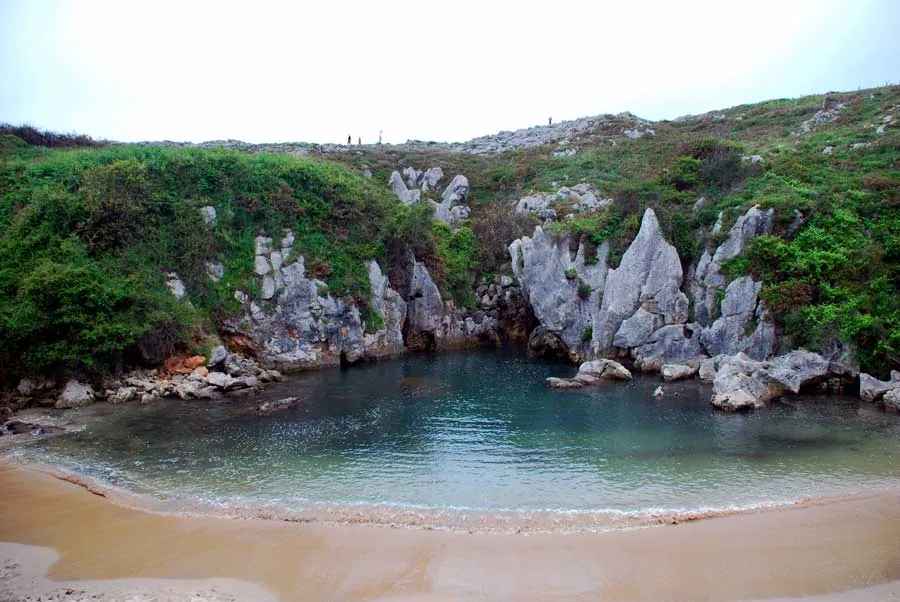
- GulpiyuriAn inland beach in Llanes with no visible link to the sea: water arrives through caves and the scene changes with the tide.
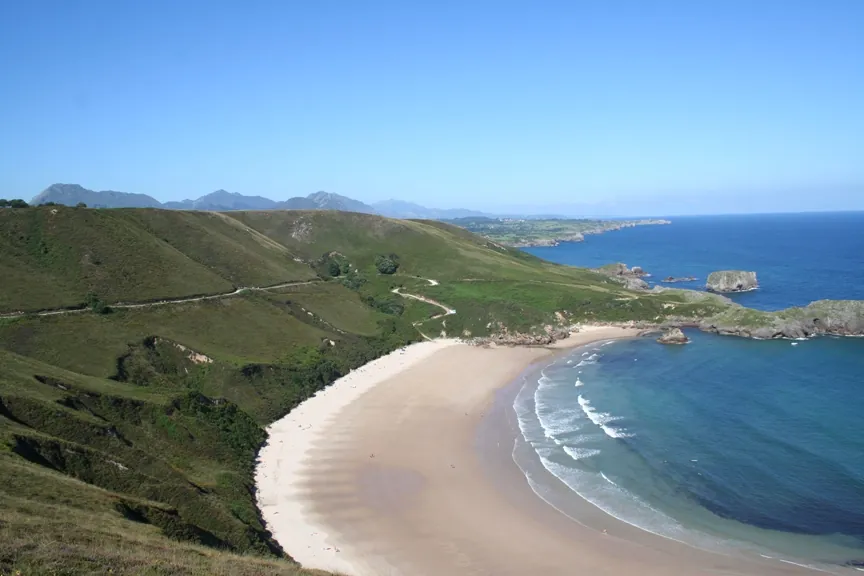
- TorimbiaA sandy cove between cliffs, also in Llanes, one of the most photographed in the east.
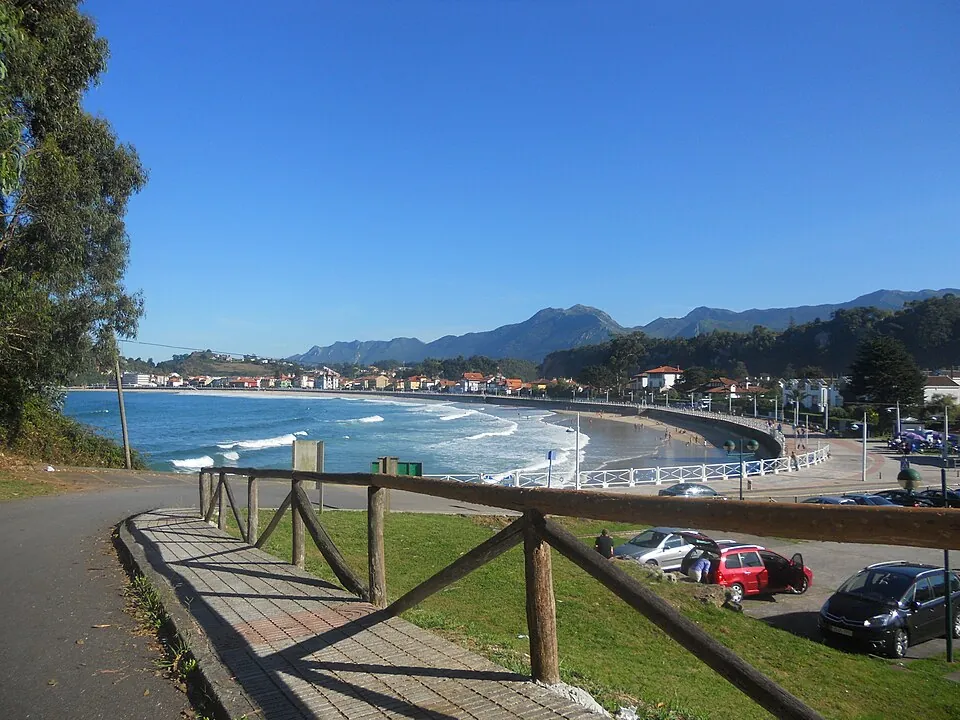
- Santa MarinaRibadesella's town beach, beside the Sella estuary and a short walk from the old town.
- RodilesBeach and estuary in Villaviciosa, well known among surfers.
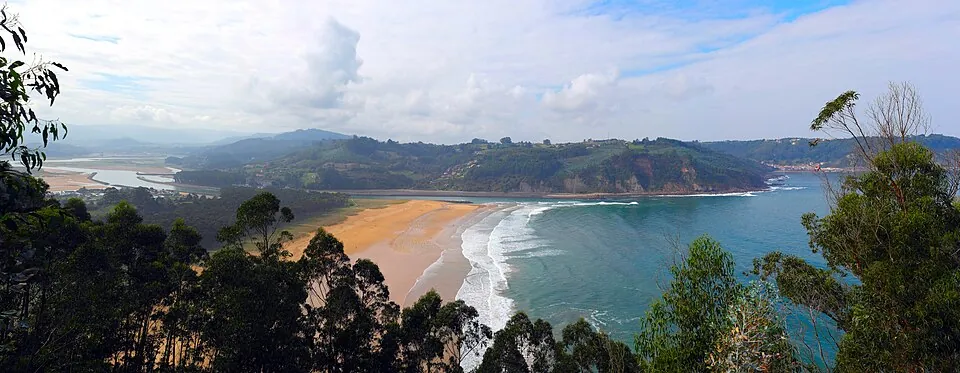
Gijón, Avilés and the centre
- San Lorenzo (Gijón)Asturias' great town beach, with a promenade, surf school and a short walk to Cimadevilla.
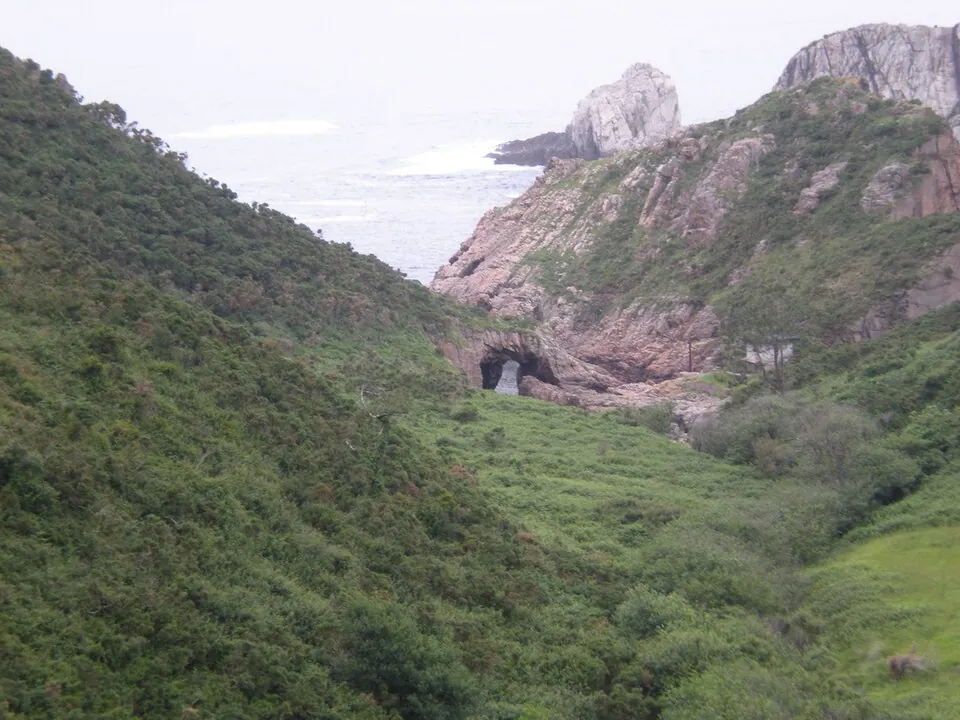
- El Silencio beachA cove on the boundary of Gozón and Cudillero, of sand and pebbles between cliffs; wear comfortable shoes and take your time.
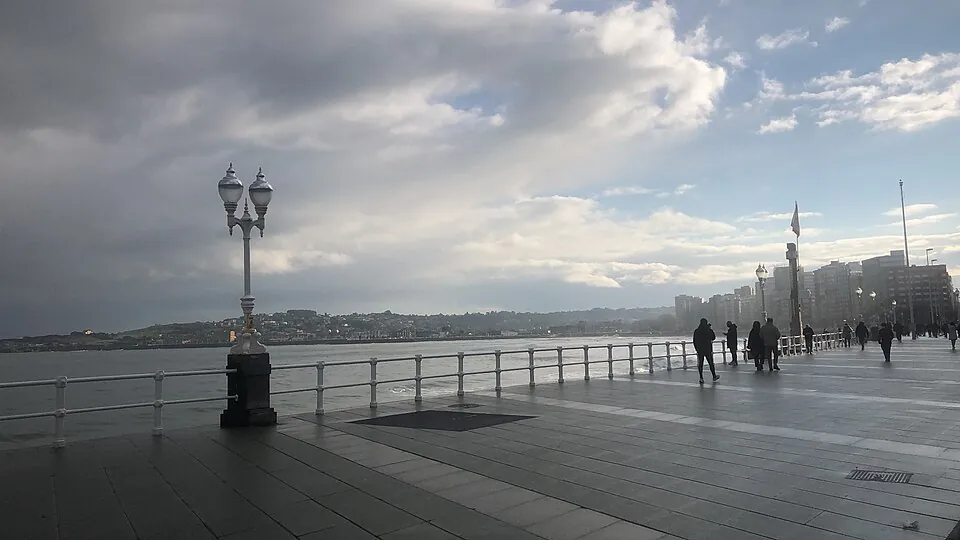
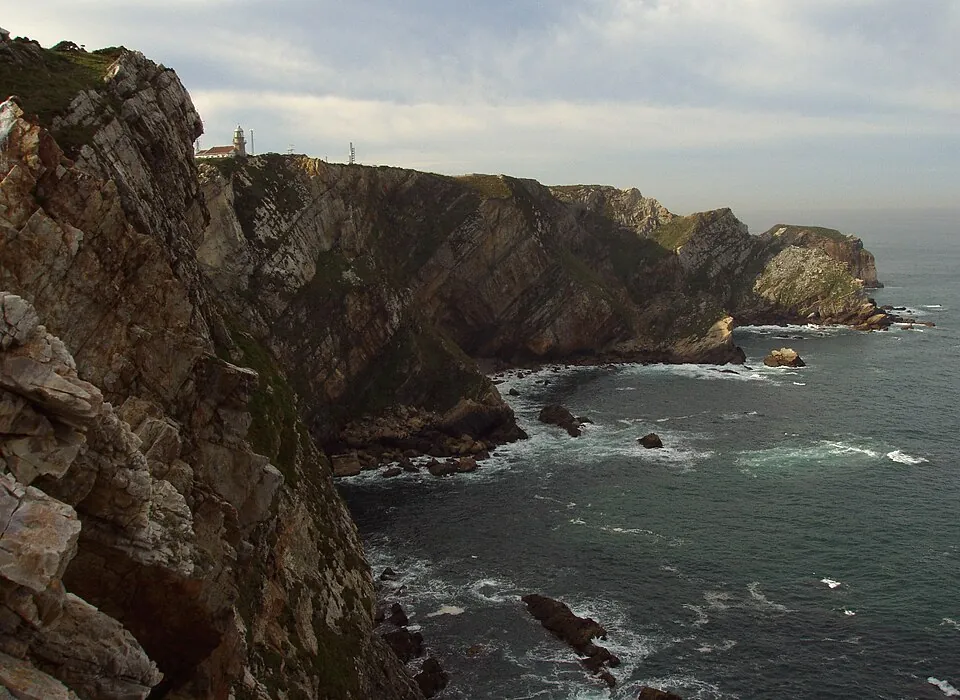
Western coast
The west is quieter: rías such as the Eo, harbours like Cudillero and Luarca, and coves reached on foot. See the western coast guide to pick a base.

Beach tips for Asturias
- Check the tideAt many coves the sand nearly disappears at high tide. Look at tide tables and avoid being cut off.
- Respect the flagsGreen, yellow and red show whether swimming is allowed. Currents and waves can be strong on the Cantabrian coast.
- Choose lifeguarded beachesNot every cove has a lifeguard, and many are covered only in season.
- Bring a layerEven on a sunny day wind and cold water can bite.
- Look after the placeMany beaches are in protected areas: take your litter and keep off the dunes.
Blue Flags and services
Blue Flags and beach services change from summer to summer. Check the current list with Turismo Asturias and the relevant town hall before you choose.
For a full plan, see the eastern coast, Gijón and Avilés and our trip planner.
Frequently asked questions
Do I need to check the tide to go to the beach in Asturias?
Yes. At many coves the sand nearly disappears at high tide, and some beaches such as Gulpiyuri change a lot.
Is the water cold?
The Cantabrian Sea is cooler than the Mediterranean; in summer it is usually fine for swimming, but bring a layer.