The Monuments of Oviedo and the Kingdom of the Asturias have been a World Heritage property since 1985 (extended in 1998): six sites between Oviedo and Lena.
The rock-art caves (Tito Bustillo, El Pindal, Candamo, Llonín and La Covaciella) are part of the Altamira and Palaeolithic Cave Art of Northern Spain listing.
The Camino de Santiago in Asturias includes the Primitivo (154 km from Oviedo) and the two coastal routes.
Archaeological highlights include the hillforts of Coaña and Chao Samartín and the Roman remains of Gijón.
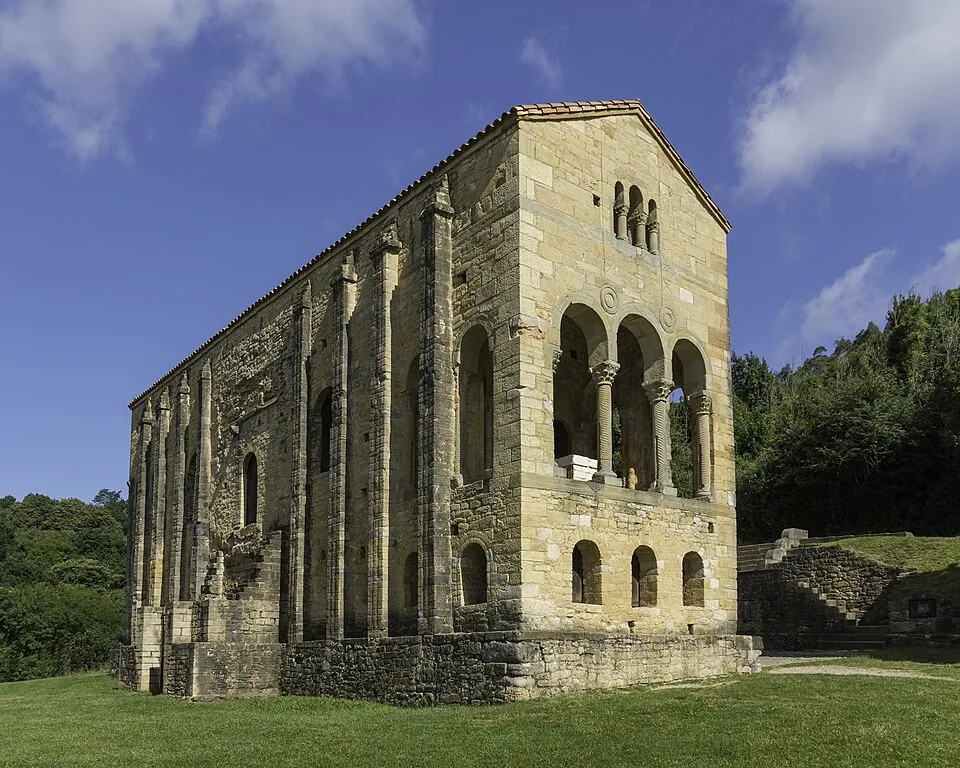
Santa María del Naranco, a former palace of King Ramiro I on the slope of Mount Naranco. Photo: Fernando · CC BY-SA 4.0 · Wikimedia Commons
Asturian pre-Romanesque art, a World Heritage property
UNESCO recognises six sites of the Asturian monarchy's art. Some have limited capacity: check times and bookings before you go.
Santa María del NarancoA recreational palace of Ramiro I turned into a church, with an upper hall of arcades and medallions.
San Miguel de LilloA church a few metres from the Naranco building, with exquisitely carved stone lattice windows.
San Julián de los Prados (Santullano)The largest pre-Romanesque church, with Roman-inspired mural paintings.
The Holy Chamber of the cathedralA 9th-century reliquary with the Cross of the Angels and the Victory Cross, symbols of the Kingdom.
La FoncaladaA 9th-century medieval fountain, the only hydraulic engineering work in the group.
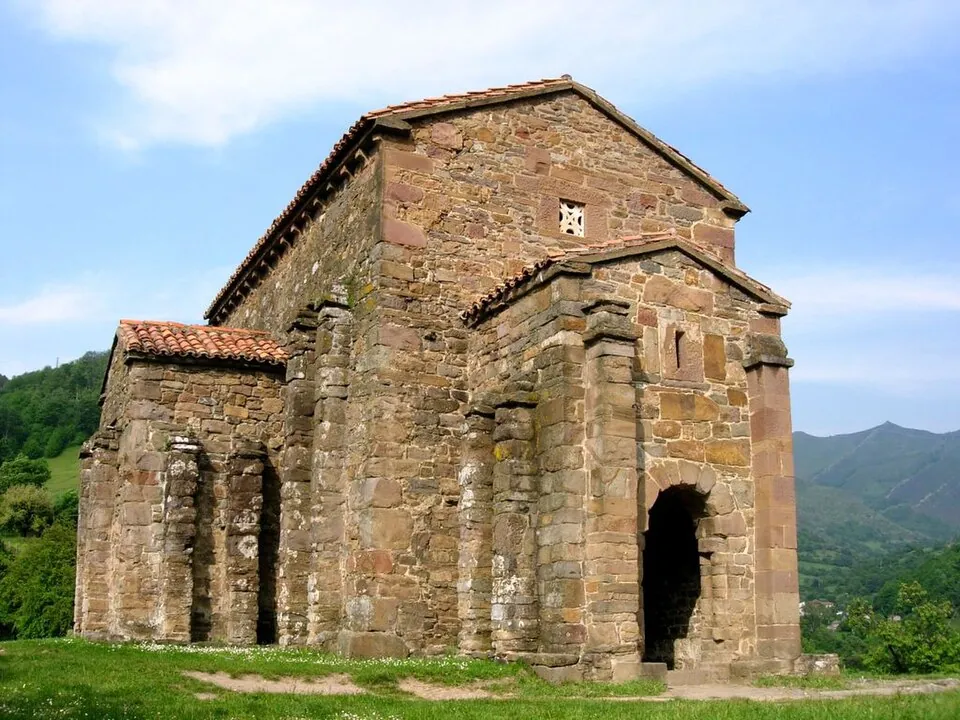
Santa Cristina de LenaA small church on a hilltop near Pola de Lena, with a stone iconostasis.
San Miguel de Lillo, on the slopes of Naranco. Photo: Rodelar · CC BY-SA 3.0 · Wikimedia CommonsSan Julián de los Prados, also called Santullano. Photo: Siestecita · CC BY-SA 4.0 · Wikimedia CommonsSanta Cristina de Lena, on top of a hill. Photo: Jose Luis Martinez Alvarez · CC BY-SA 2.0 · Wikimedia CommonsLa Foncalada, a medieval fountain in Oviedo. Photo: Sitomon · CC BY-SA 2.5 · Wikimedia Commons
Oviedo: cathedral and old town
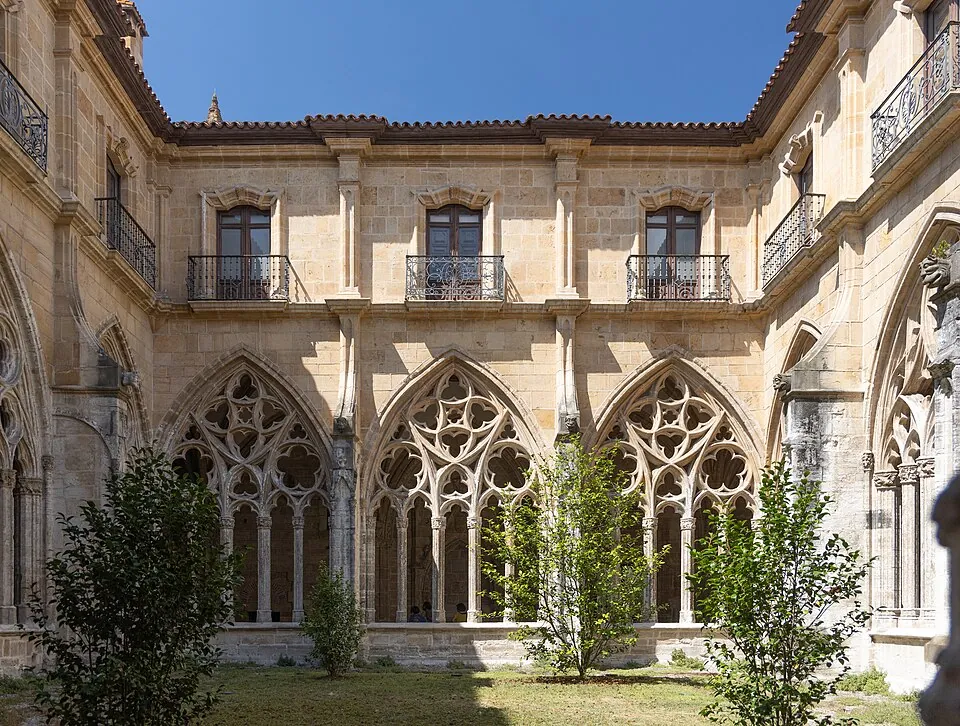
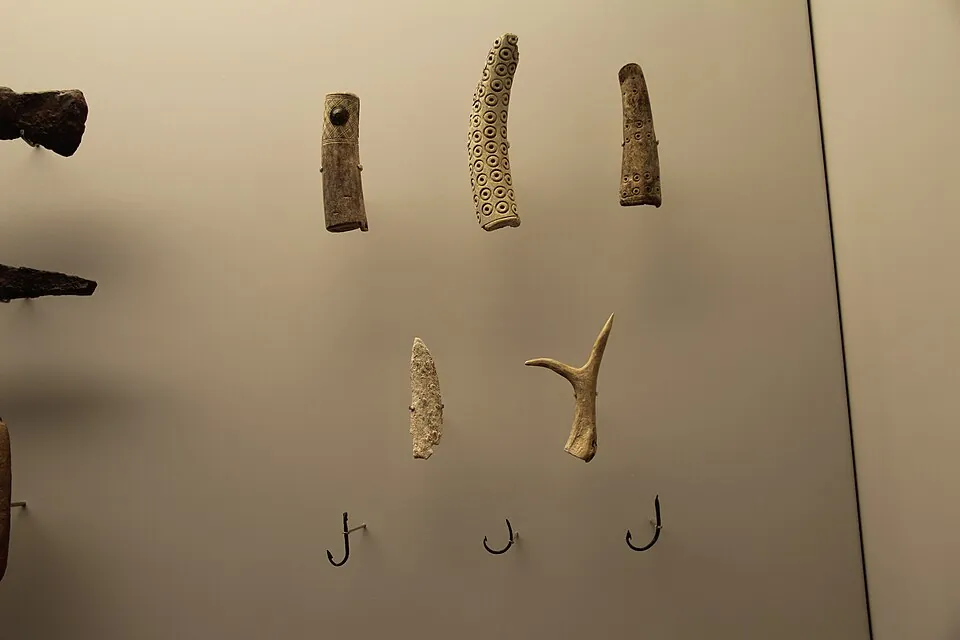
The Cathedral of San Salvador combines a Gothic tower with the pre-Romanesque Holy Chamber. Around it, Oviedo's old town is walkable: squares with palaces, street sculptures such as La Regenta and Gascona street, the cider boulevard. The Archaeological Museum of Asturias, in the former convent of San Vicente, gathers objects from prehistory to pre-Romanesque times.
The Cathedral of San Salvador in Oviedo. Photo: Andreas F. Borchert · CC BY-SA 4.0 · Wikimedia CommonsThe Holy Chamber, the cathedral's reliquary. Photo: Zarateman · CC0 · Wikimedia CommonsThe Archaeological Museum of Asturias. Photo: Barcex · CC BY-SA 3.0 · Wikimedia Commons
More monuments worth a visit
Covadonga Basilica and Holy Cave
Cangas de Onís
What to see
The cave where tradition places the origin of the Kingdom, and the late 19th-century neo-Romanesque basilica.
"Roman" Bridge of Cangas de Onís
Cangas de Onís
What to see
A medieval bridge over the Sella, with a replica of the Victory Cross hanging from its arch.
Valdediós Monastery
Villaviciosa
What to see
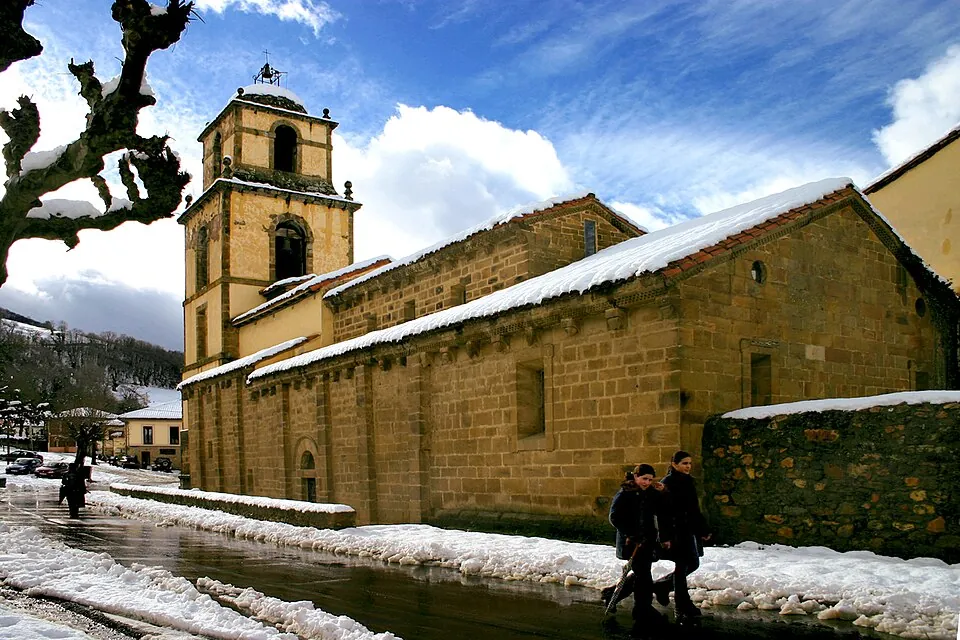
The church of San Salvador, from 893, beside a Cistercian monastery in a quiet valley.
Collegiate church of San Pedro de Teverga
Teverga
What to see
A Romanesque church with a necropolis of medieval tombs.
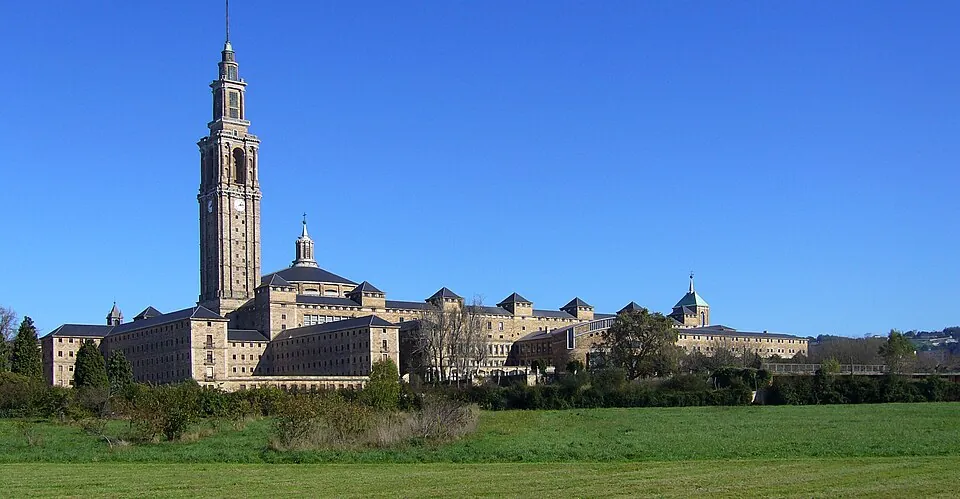
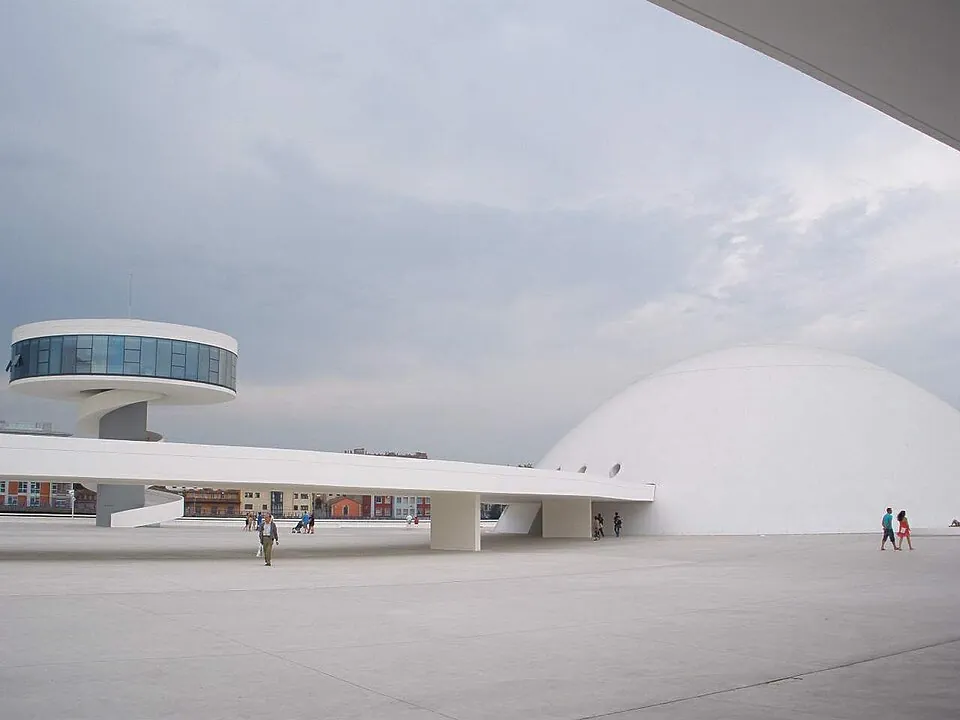
Universidad Laboral and Niemeyer Centre
Gijón and Avilés
What to see
20th-century architecture: the great Laboral complex and the cultural centre designed by Oscar Niemeyer.
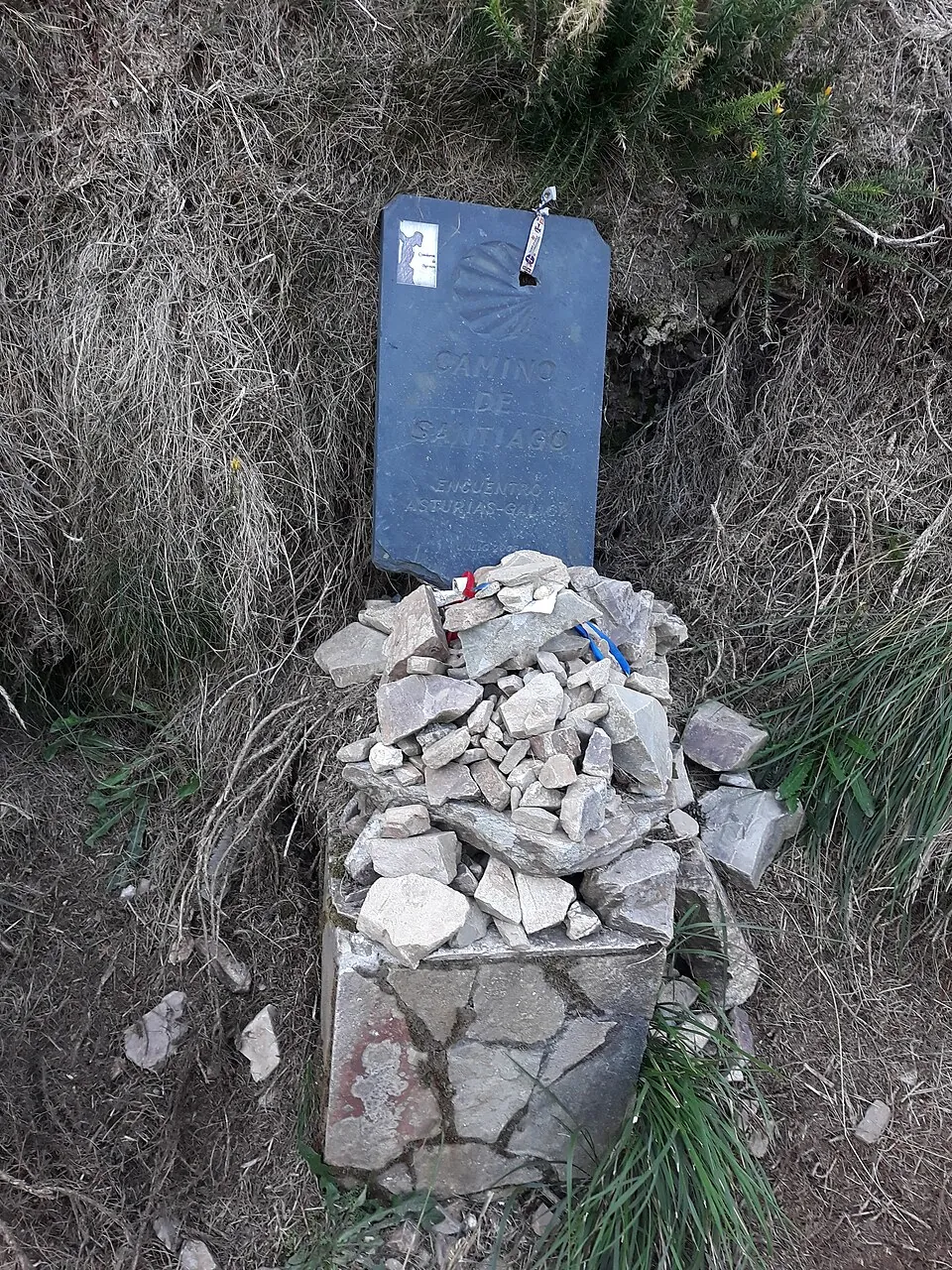
The northern routes of the Camino de Santiago are World Heritage. Asturias has three: the Primitivo (about 154 km, from Oviedo towards Galicia through the interior), the Eastern Coastal Way (about 128 km) and the Western Coastal Way (about 155 km). You can walk single one-day stages.
The Camino Primitivo, with the Jacobean waymarks. Photo: Simon Burchell · CC BY-SA 4.0 · Wikimedia Commons
Frequently asked questions
Do I need to book to see the rock-art caves?
Yes. Visits to caves such as Tito Bustillo are limited; book ahead through the official channels.