History and origins of Asturias
From cave art to the Kingdom of Asturias: the key moments of its history.
The essentials
- Asturias holds Palaeolithic rock art, Iron Age hillfort villages (castros) and Roman remains.
- According to tradition, the battle of Covadonga (around the year 722) was the origin of the Kingdom of Asturias, the first Christian kingdom in the peninsula after the Muslim conquest.
- Oviedo was the capital of the Asturian monarchy and left behind pre-Romanesque art, a World Heritage property.
- In the 19th and 20th centuries coal mining and steelmaking transformed the Nalón and Caudal valleys.
Prehistory and rock art
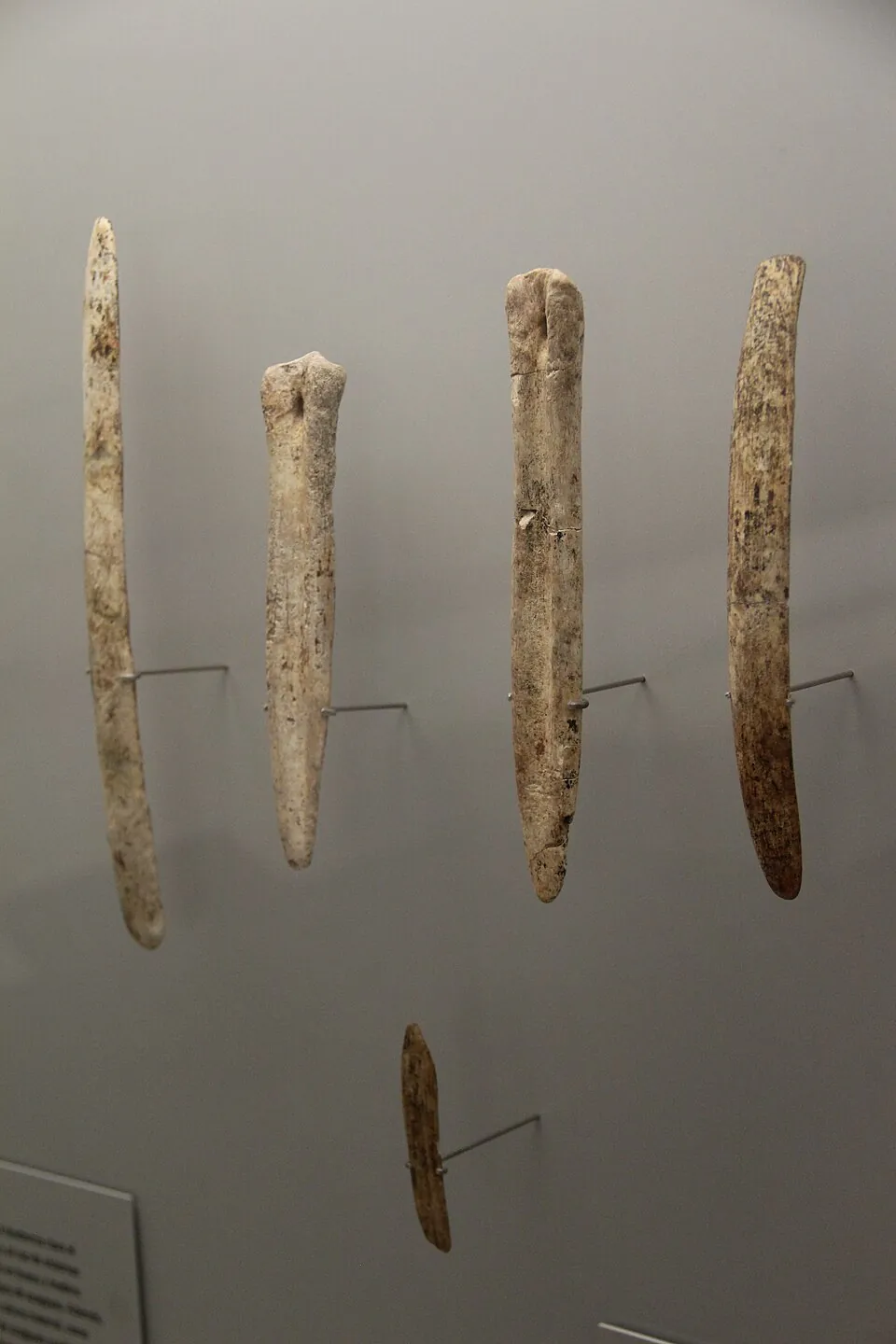
The caves of the coast and the east of Asturias keep some of the oldest paintings and engravings in Europe. In 2008 UNESCO extended the Altamira listing to include several Asturian caves: Tito Bustillo (Ribadesella), El Pindal (Ribadedeva), La Peña de Candamo (Candamo), Llonín (Peñamellera Alta) and La Covaciella (Cabrales). Many of them are visited in small groups with advance booking; opening times change, so check the official websites.
In the Neolithic and Bronze Age, burial mounds and dolmens were raised on the ridges and passes; one of them, the Santa Cruz dolmen, lies beneath the chapel of the same name in Cangas de Onís.
Astures, castros and Romans
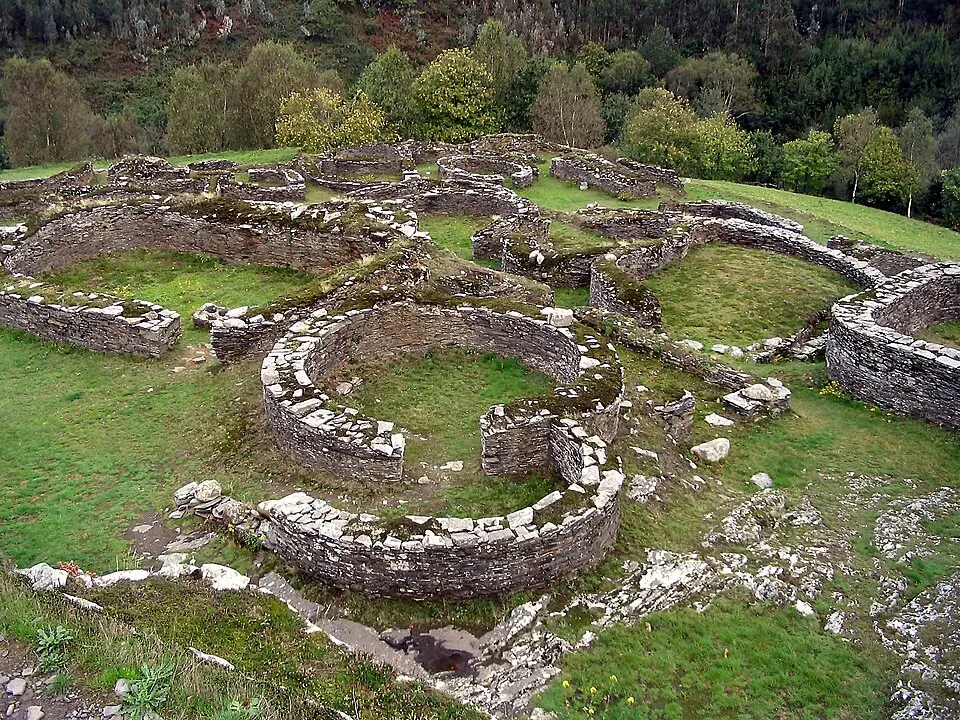
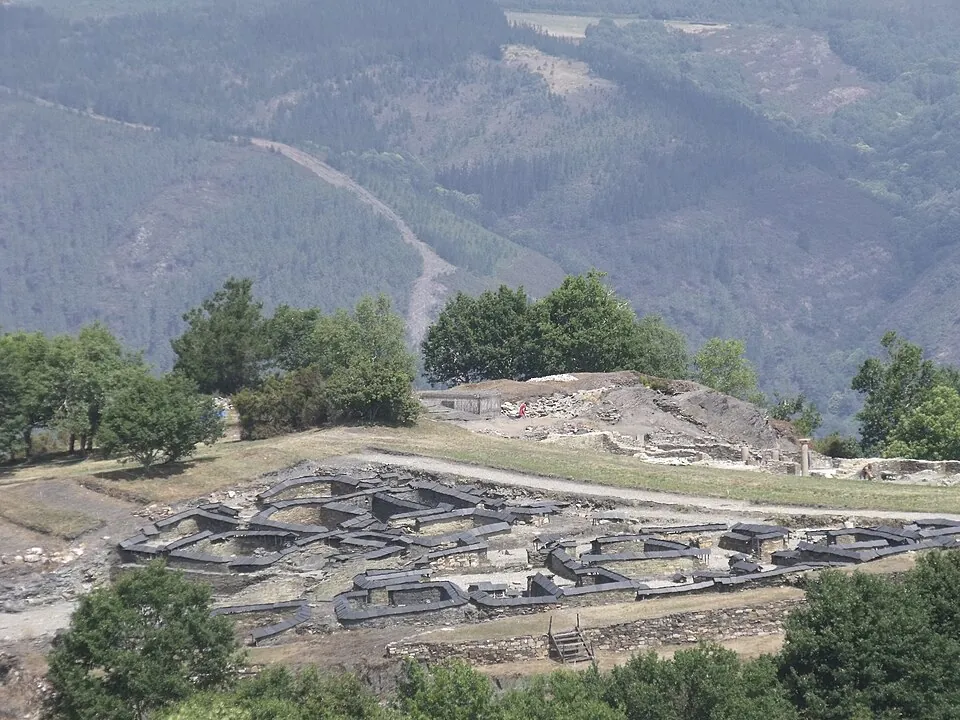
Before Rome, the Astures lived in fortified villages called castros. The most visitable are the Castro de Coaña and Chao Samartín (Grandas de Salime), with round stone houses. The Romans conquered the region during the Cantabrian Wars (29–19 BC) and mined its gold. In Gijón you can see the Campo Valdés baths, the Campa Torres hillfort and the Roman villa of Veranes.
Pelayo, Covadonga and the Kingdom of Asturias
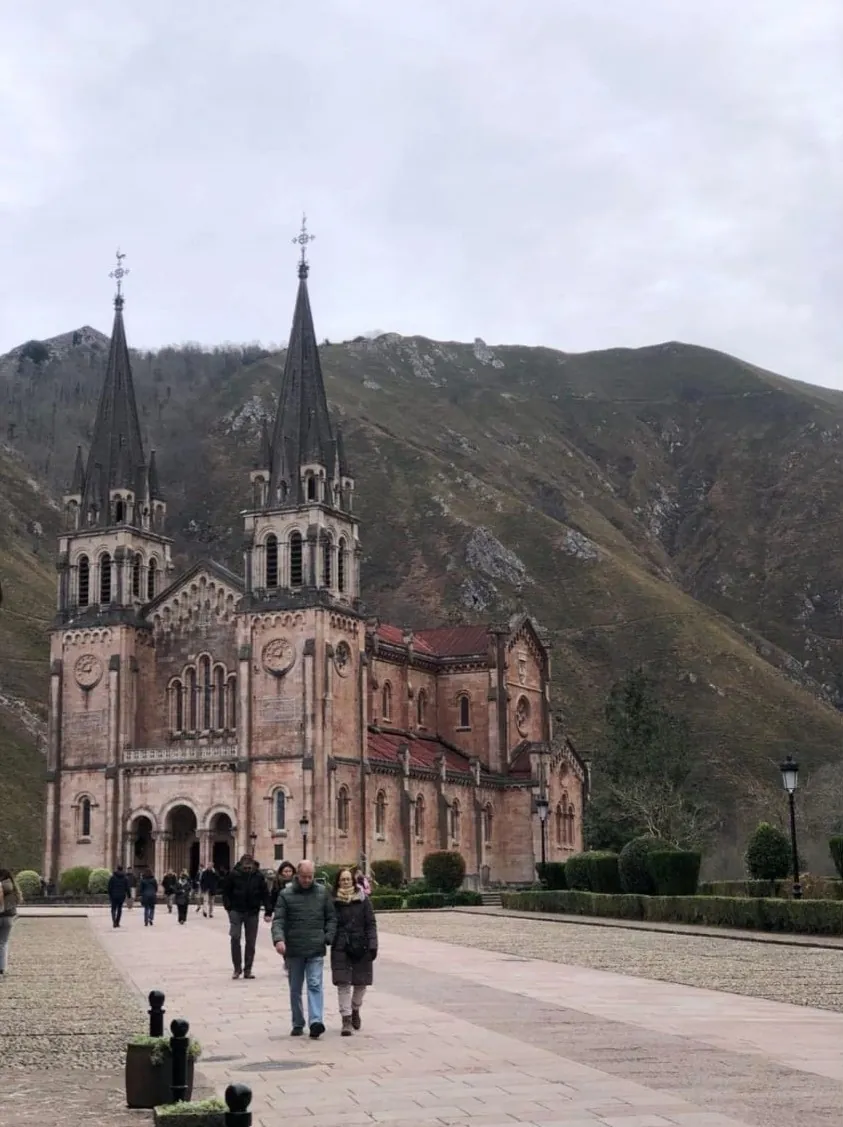
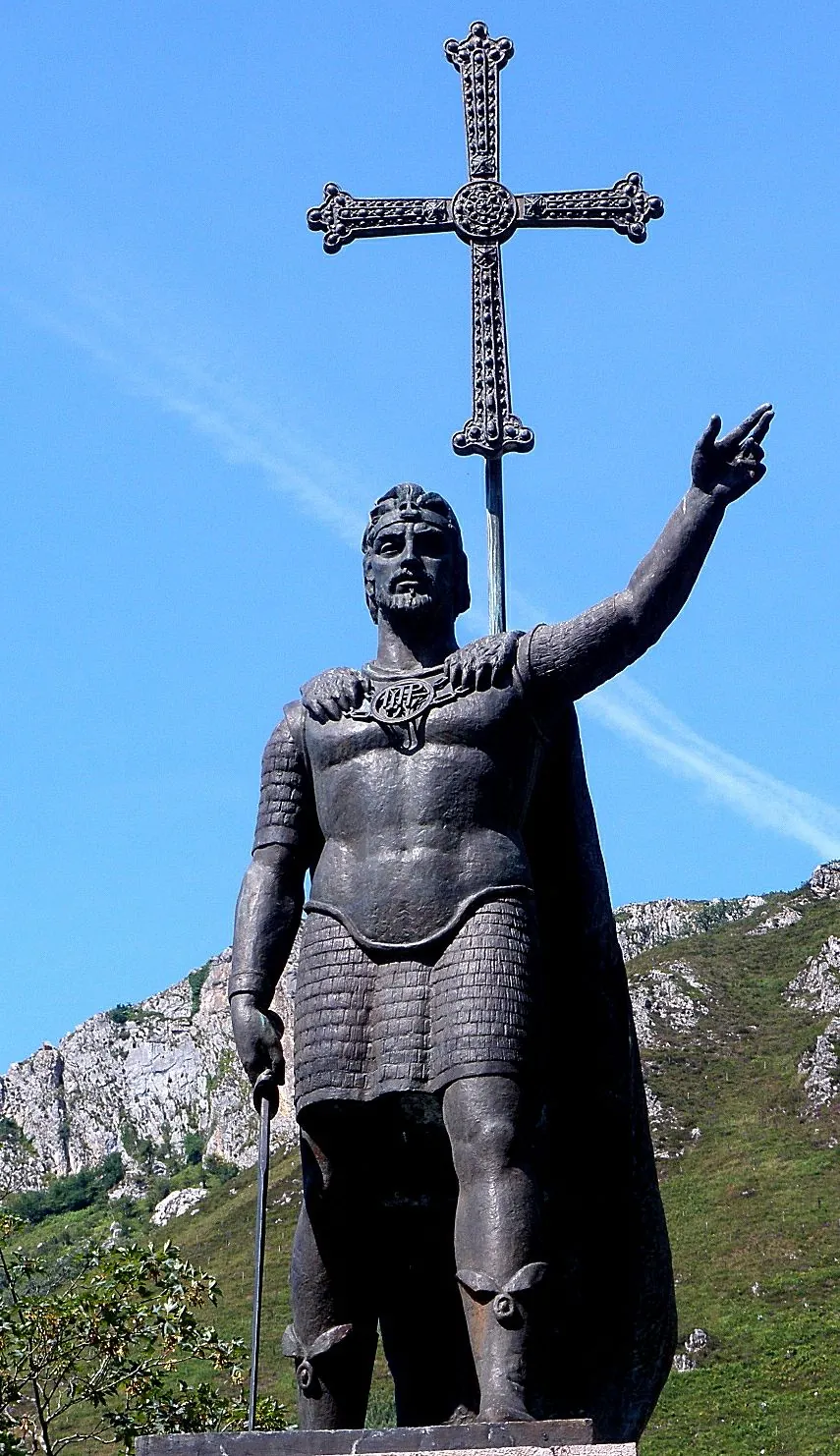
After the fall of the Visigothic kingdom and the Muslim arrival in the peninsula (711), a nobleman named Pelayo led resistance in the mountains. Tradition places the battle of Covadonga around the year 722, a symbol of the origin of the Kingdom of Asturias and of the start of the so-called Reconquista, although historians debate the details and the date. Pelayo was followed by a dynasty that, under Alfonso II the Chaste (791–842), set up the court in Oviedo.
Oviedo, the Camino and pre-Romanesque art
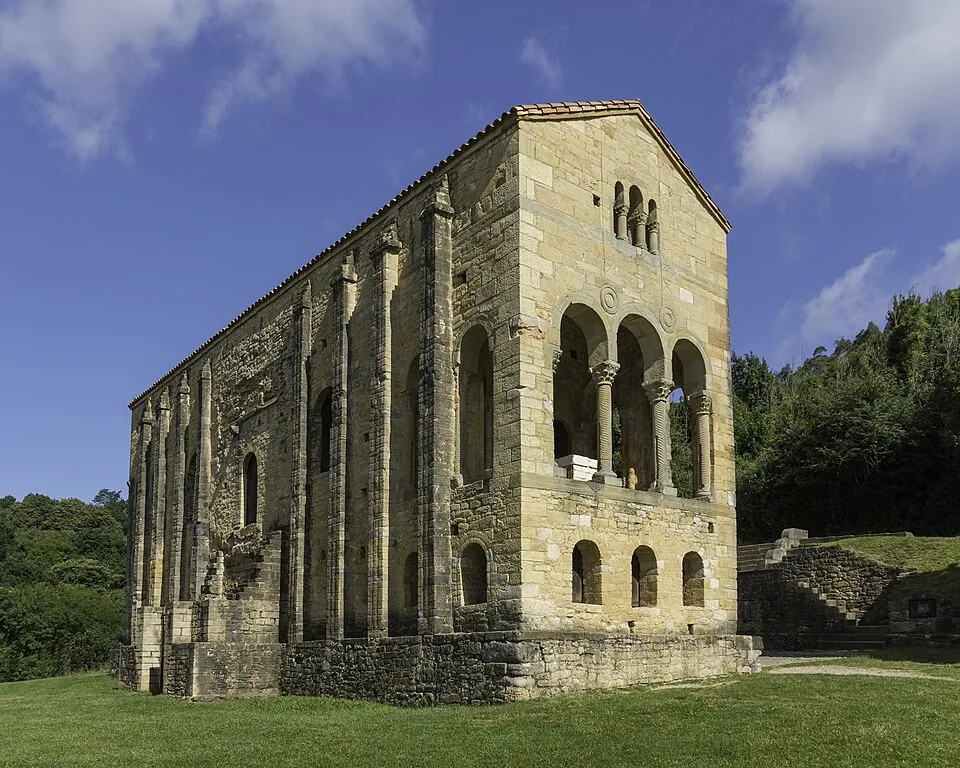
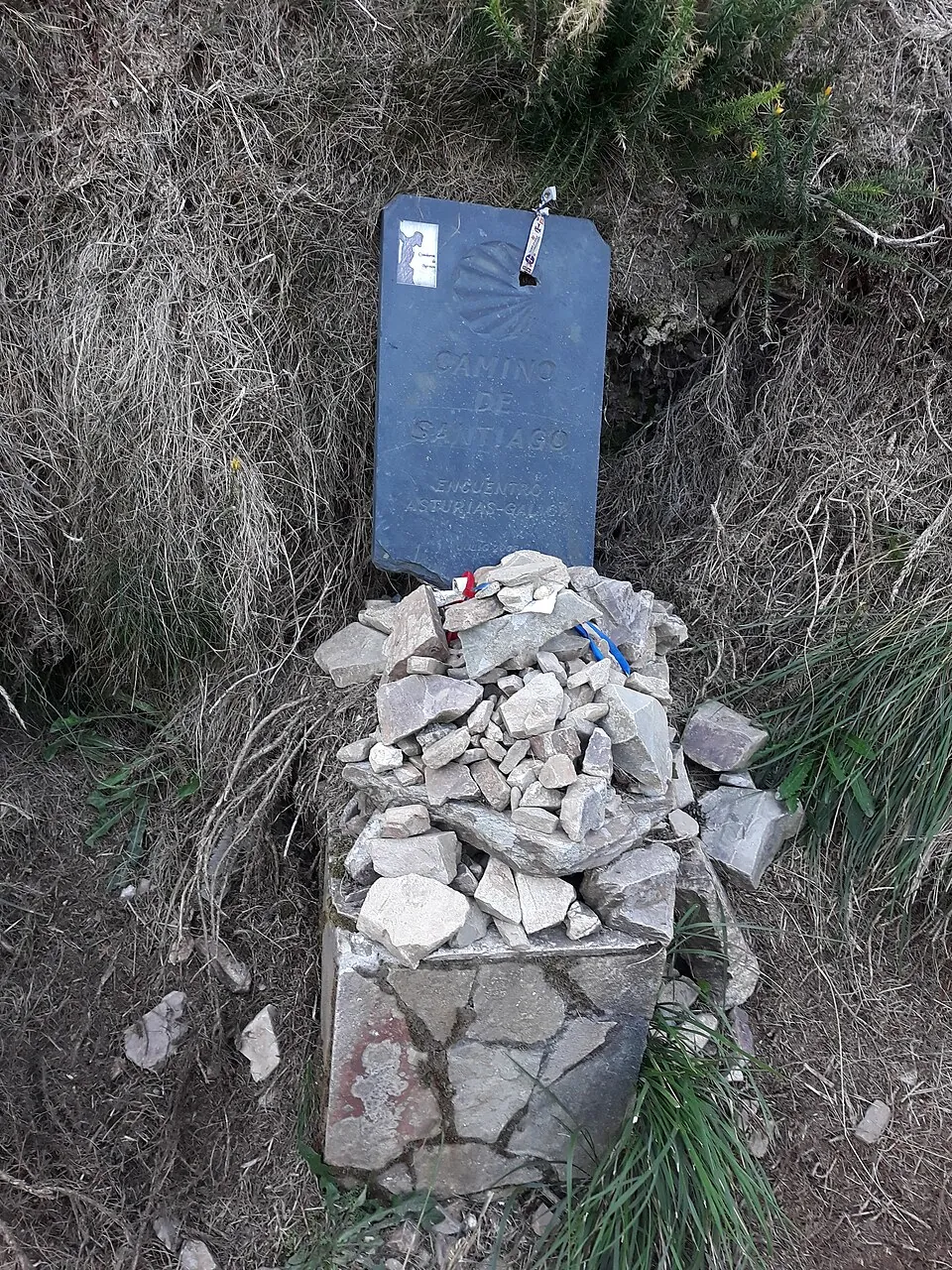
In the 9th century Oviedo became the religious and political capital. Churches and palaces were built in a style of their own, Asturian pre-Romanesque art, with vaults, horseshoe-shaped arches and mural paintings. Under Ramiro I (842–850) Santa María del Naranco and San Miguel de Lillo were built. Tradition holds that Alfonso II was the first pilgrim to the tomb of Saint James, which is why the Camino Primitivo starts in Oviedo. In 910 the court moved to León and the realm became known as the Kingdom of León.
From the Prince of Asturias to autonomy
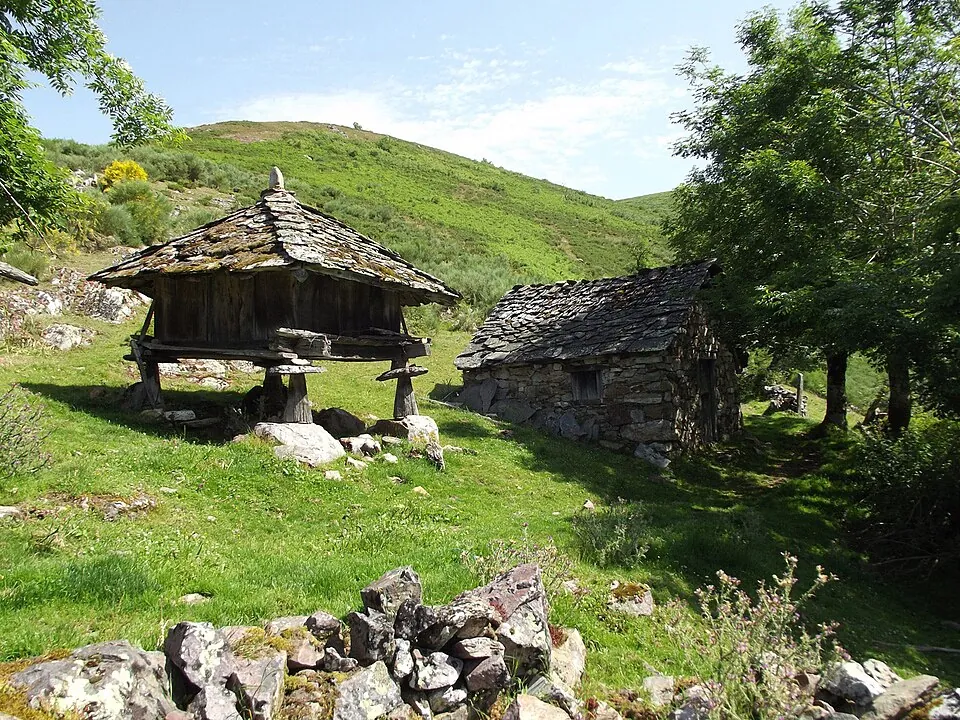
In 1388 the title of Prince of Asturias was created and it has since been held by the heir to the Crown. In the modern age maize and apple growing, cattle farming and the hórreos and paneras, raised granaries, shaped the countryside and still dot it today. Many Asturians emigrated to the Americas: the indianos who returned built manor houses, schools and villas, especially in the east. The Statute of Autonomy dates from 1981; since that same year the Princess of Asturias Foundation's awards (formerly the Prince of Asturias Awards) have been presented in Oviedo every autumn.
Coal, steel and reconversion
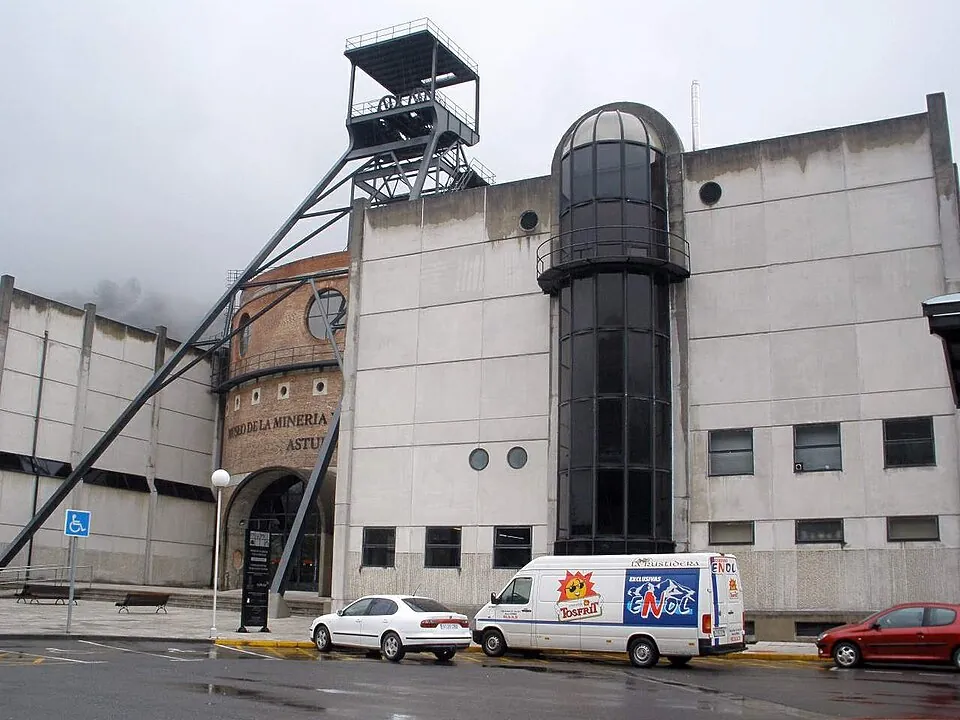
In the 19th century the Nalón and Caudal valleys filled with mines, factories and railways; the Langreo Railway, from 1852, linked the coalfields with the port of Gijón. Industry brought jobs but also social conflict: the Revolution of October 1934 had its main stage in the mining valleys. Industrial restructuring since the late 20th century closed many mines, and former pits are now museums, such as the Museum of Mining and Industry (San Martín del Rey Aurelio) or the San Luis pit (Langreo).
Timeline at a glance
- PalaeolithicRock art at Tito Bustillo, El Pindal and other caves.
- Iron AgeHillforts such as Coaña and Chao Samartín.
- 29–19 BCRoman conquest during the Cantabrian Wars.
- Around 722Battle of Covadonga, the traditional origin of the Kingdom of Asturias.
- 9th centuryCourt in Oviedo and the golden age of pre-Romanesque art.
- 1388The title of Prince of Asturias is created.
- 1852Langreo Railway: industry takes off in the coalfields.
- 1981Statute of Autonomy of the Principality of Asturias.