Asturias covers about 10,600 km² and has 78 municipalities: Cantabrian Sea, mountains, green valleys and cities steeped in history.
It has three UNESCO World Heritage listings: the monuments of Oviedo and the Kingdom of the Asturias, the Camino de Santiago (northern routes) and several caves with rock art.
A good split of your days: Oviedo and Gijón for city life, the Picos de Europa for mountains and Llanes–Ribadesella for the coast.
It rains often, which is why it is so green: pack a light waterproof, even in summer.
The Covadonga Lakes, in the heart of the Picos de Europa National Park. Photo: Txo · CC BY-SA 4.0 · Wikimedia Commons
The 10 must-sees in Asturias
Picos de Europa and the Covadonga Lakes
National Park · Cangas de Onís
Why go
Lakes Enol and Ercina, viewpoints over the peaks and the Naranjo de Bulnes, also known as Picu Urriellu.
Tip
In high season car access is regulated: check the official conditions first.
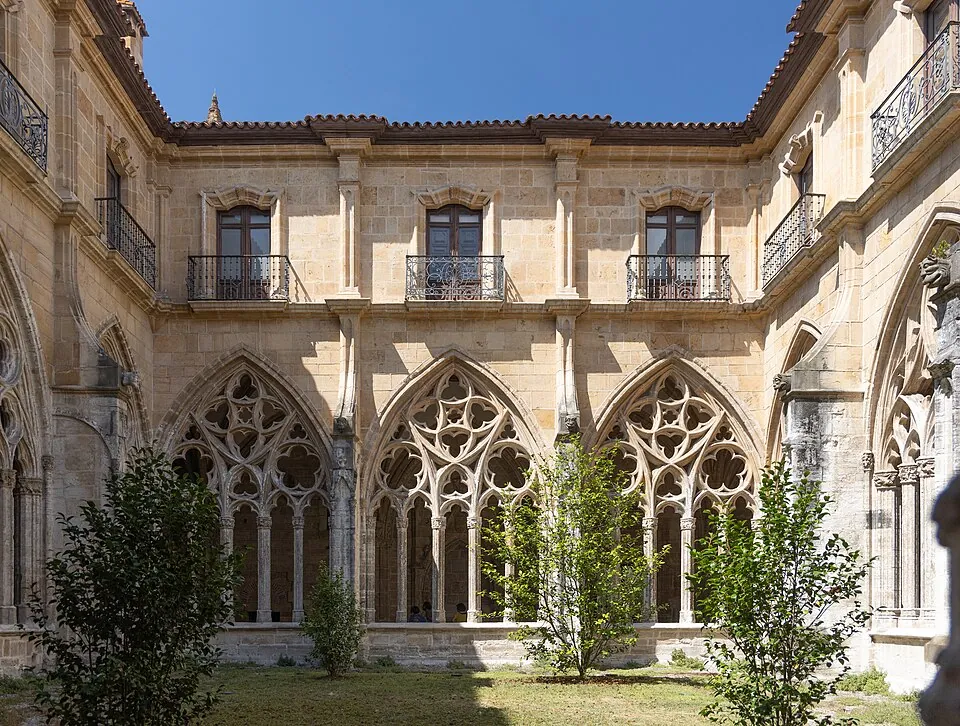
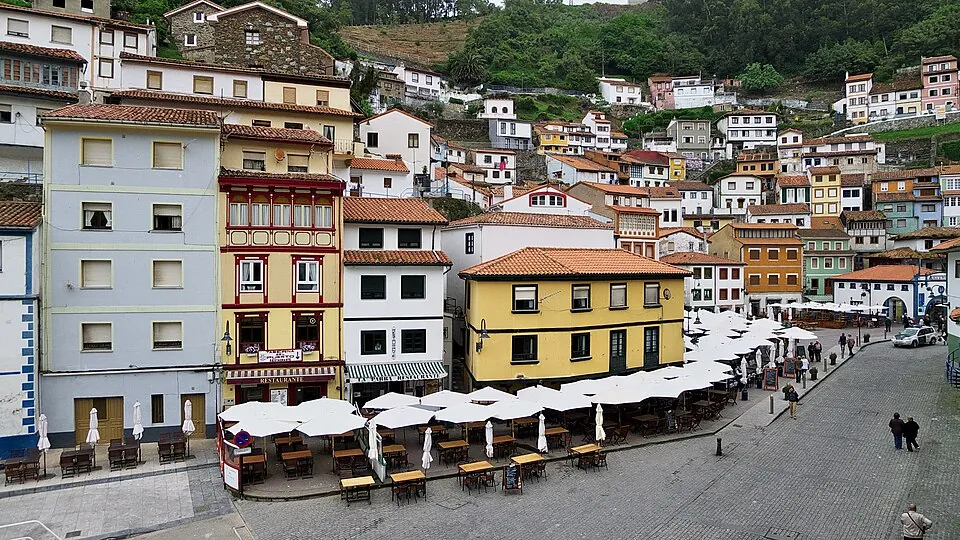
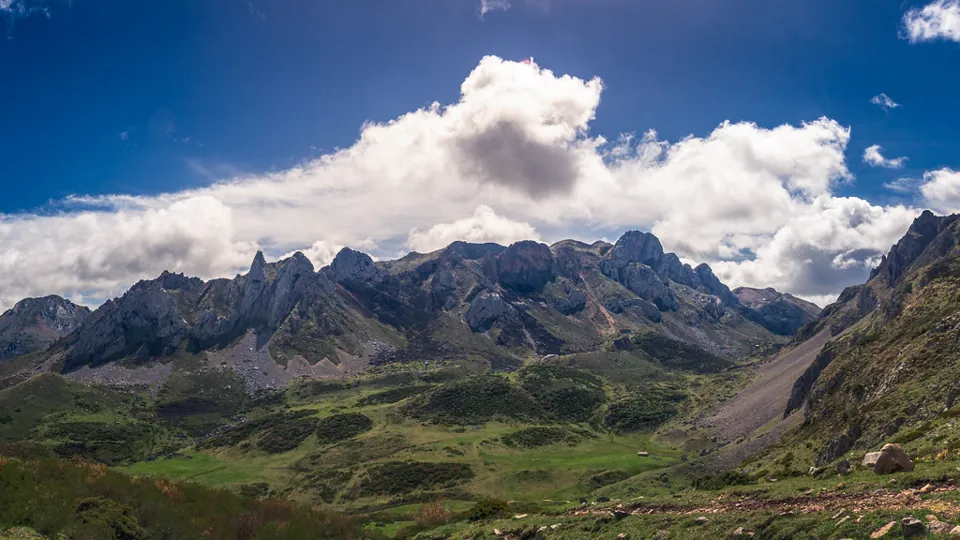
The cathedral of San Salvador, in the heart of Oviedo's old town. Photo: Andreas F. Borchert · CC BY-SA 4.0 · Wikimedia CommonsCudillero, its houses rising like an amphitheatre above the harbour. Photo: José Luis Filpo Cabana · CC BY-SA 4.0 · Wikimedia CommonsHigh pastures and teitos in Somiedo Natural Park. Photo: jokin.lacalle · CC BY 2.0 · Flickr
When to go
Spring and autumn bring green or golden landscapes and fewer crowds. Summer is best for beaches and high-mountain walks, but book accommodation early, especially on the eastern coast and near the Covadonga Lakes. In winter there is snow on the peaks and ski resorts in the mountain range, plus festivals such as Antroxu (carnival) and the autumn chestnut feast, the amagüestu.
Distances from Oviedo
Approximate road distances from Oviedo
Mieres20 km
Avilés30 km
Gijón30 km
Villaviciosa35 km
Teverga (San Martín)40 km
Cudillero55 km
Cangas de Onís75 km
Somiedo (Pola)80 km
Ribadesella85 km
Lagos de Covadonga95 km
Cangas del Narcea100 km
Luarca100 km
Llanes105 km
Rounded figures by the most usual route; journey times depend on traffic and on the mountain roads. Check them with your satnav.
How many days do you need?
2 or 3 daysOviedo, Gijón and a day trip to the Llanes coast or to Cangas de Onís and Covadonga.
5 daysAdd a mountain walk (Cares or the lakes), Ribadesella and the Tito Bustillo cave, and an afternoon of cider in Villaviciosa.
One weekAdd Somiedo or Teverga, Avilés, Cudillero and Luarca, and the Oscos in the far west.