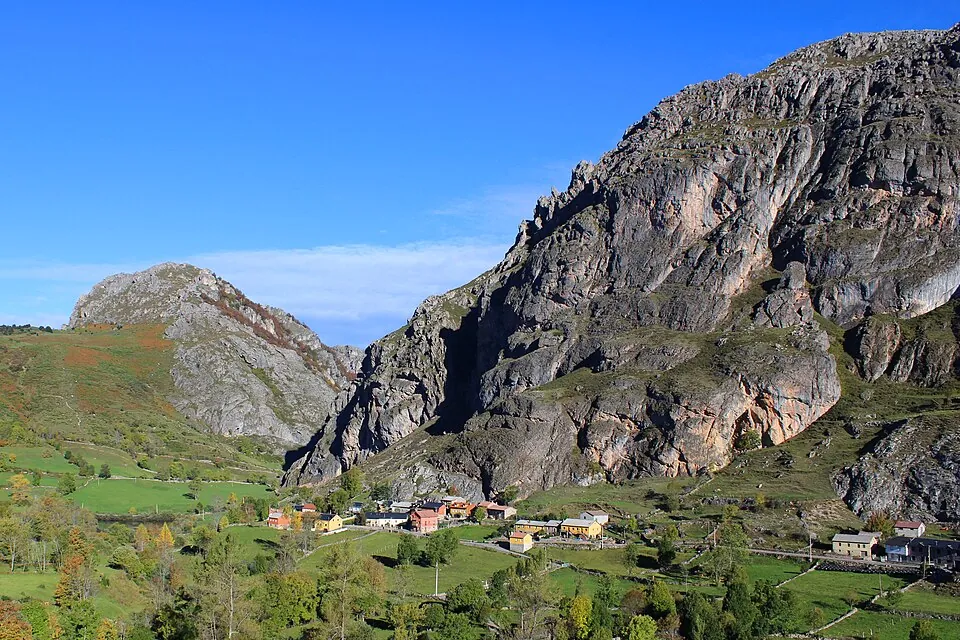
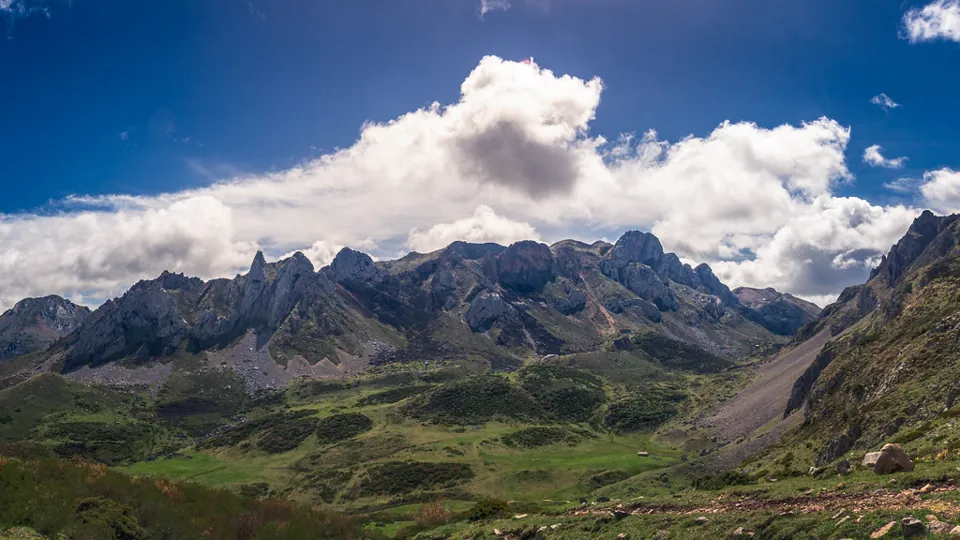
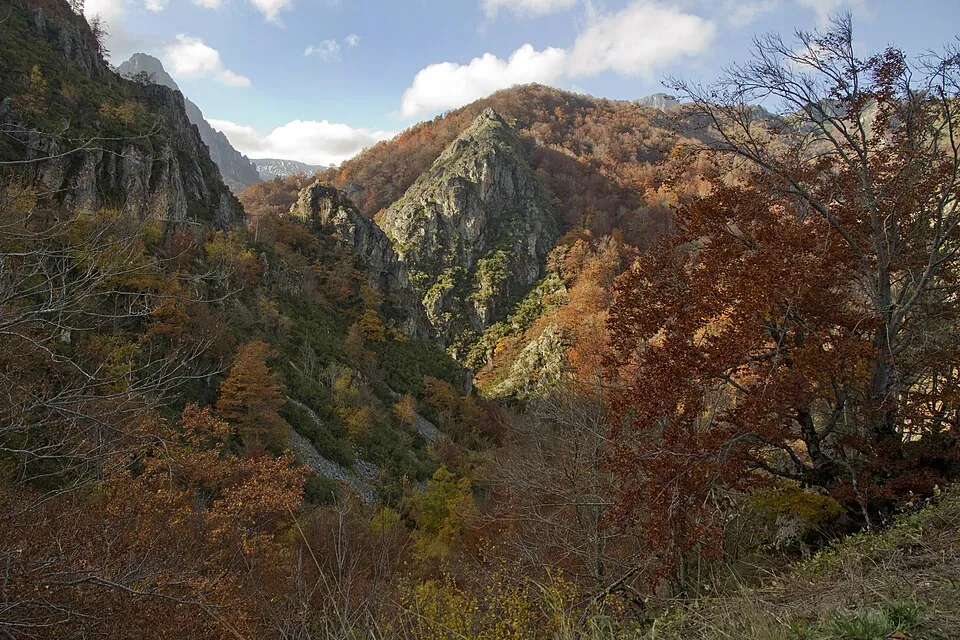
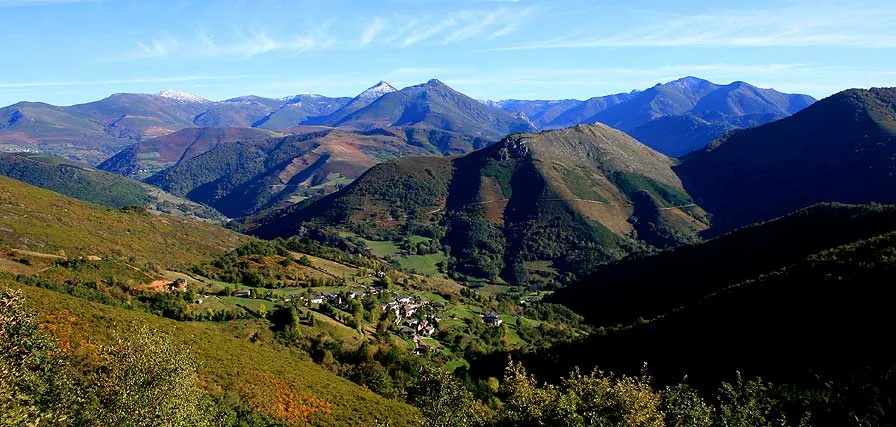
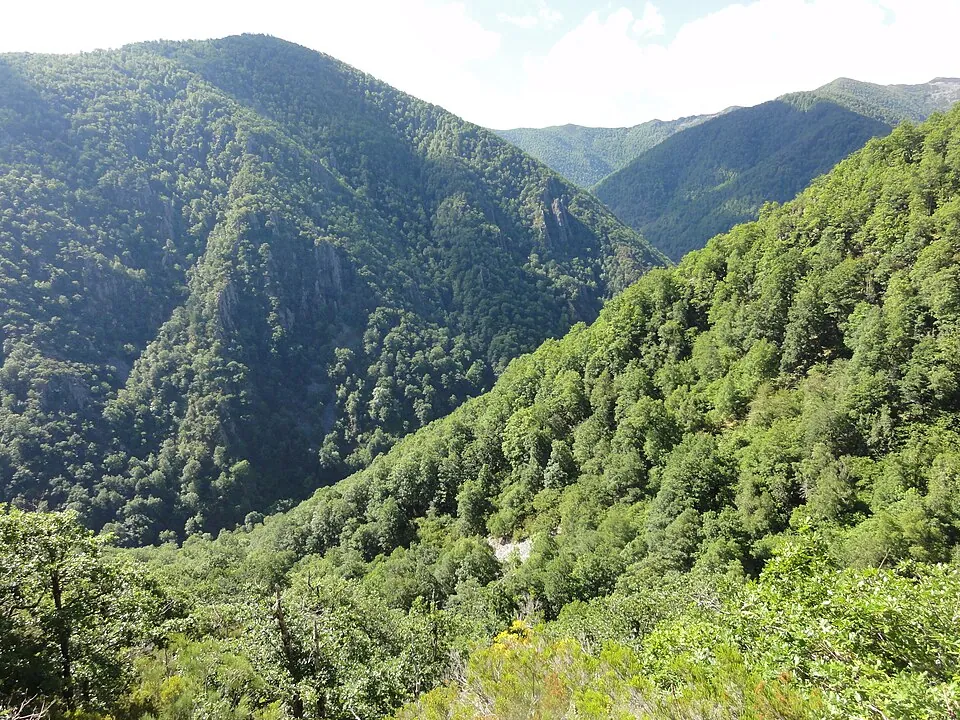
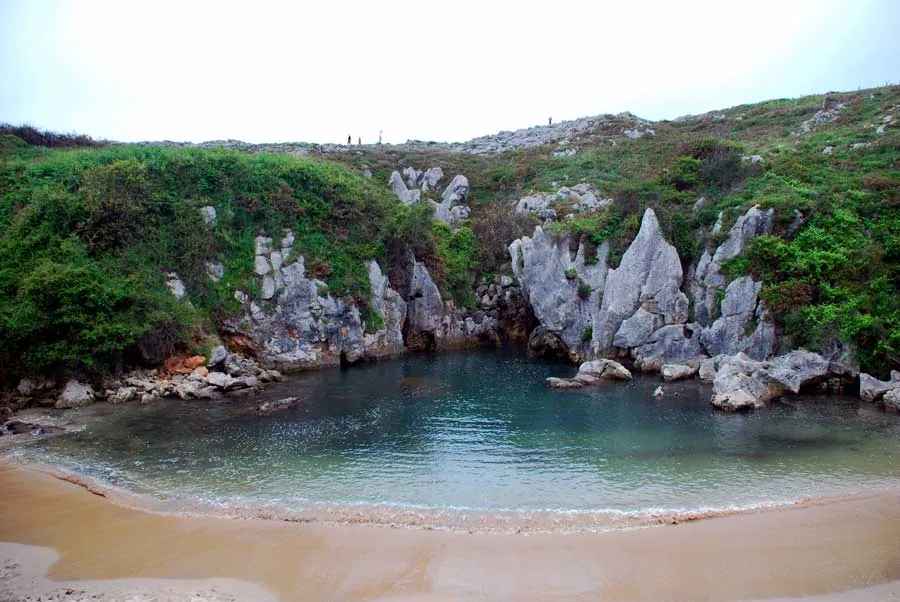
Asturias has one national park (Picos de Europa, declared in 1918 as one of Spain's first two) and five natural parks: Somiedo, Redes, Ponga, Fuentes del Narcea, Degaña and Ibias, and Las Ubiñas–La Mesa.
It also has nature reserves, protected landscapes and almost forty natural monuments (beaches, blowholes, caves, trees…).
Several areas are Biosphere Reserves and home to the Cantabrian brown bear.
Some access is regulated or needs a permit (Muniellos, the Covadonga Lakes in high season): check before you go.
The Valle lake, in Somiedo Natural Park. Photo: Carmenmoran · CC BY 4.0 · Wikimedia Commons
Picos de Europa National Park
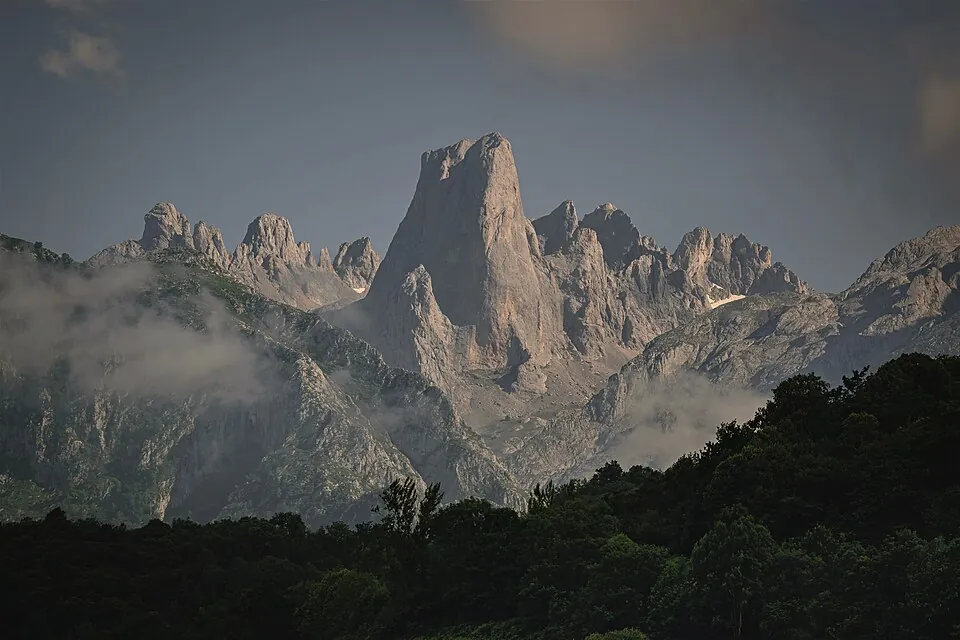
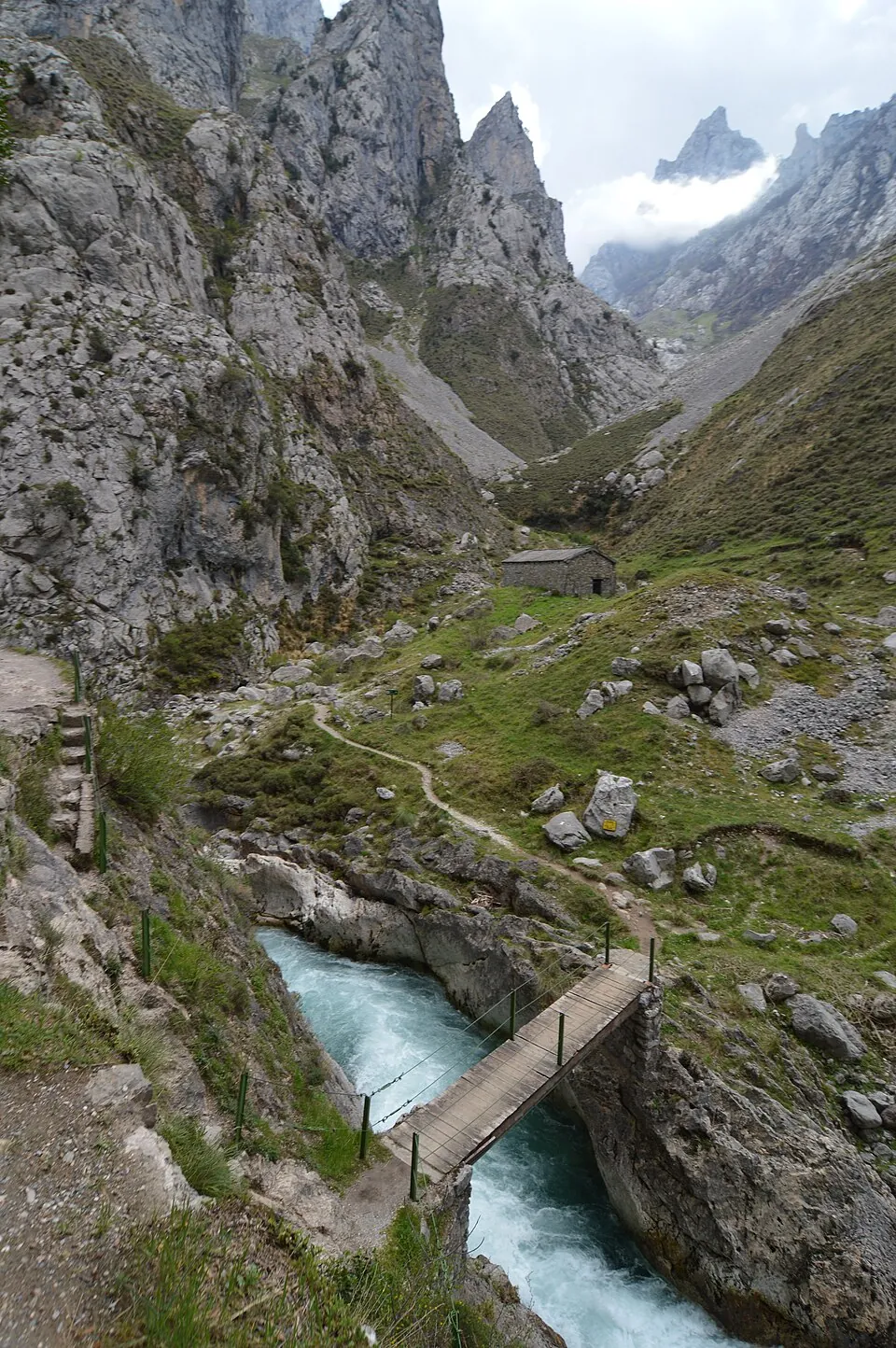
Made up of three massifs —Western or Cornión, Central or Urrieles and Eastern or Ándara— the park is shared with Cantabria and Castilla y León. On the Asturian side you find the Covadonga Lakes, the Naranjo de Bulnes (Picu Urriellu) and the Cares Gorge. You can ride a cable car up to Fuente Dé, but that access is on the Cantabrian side. Access to the lakes changes by season, so check the official websites.
Without leaving the cities you can find charming parks: Campo San Francisco in Oviedo, Parque de Isabel la Católica and the Atlantic Botanical Garden in Gijón, and Parque de Ferrera in Avilés. Mount Naranco, above Oviedo, offers walks with views.